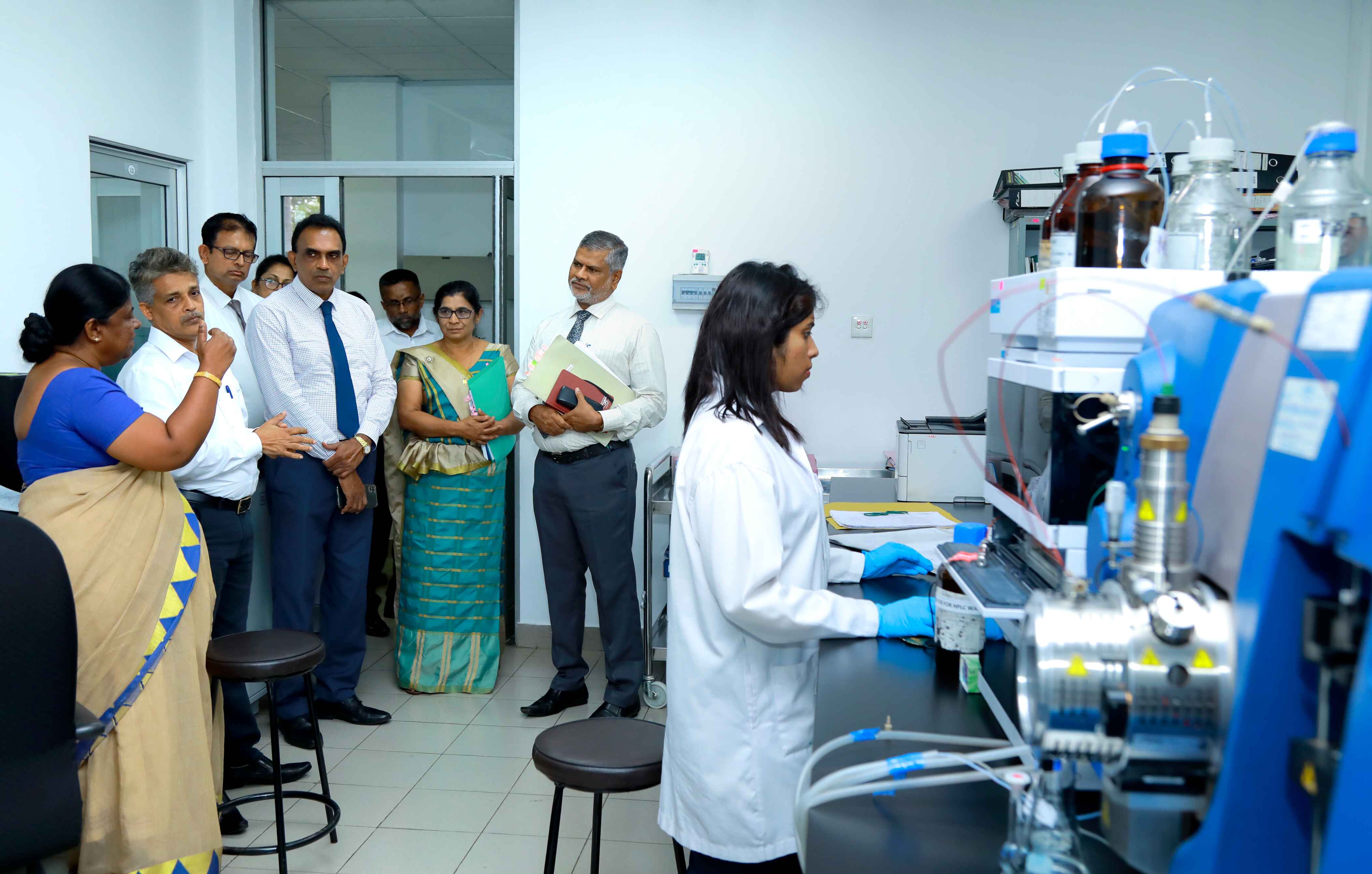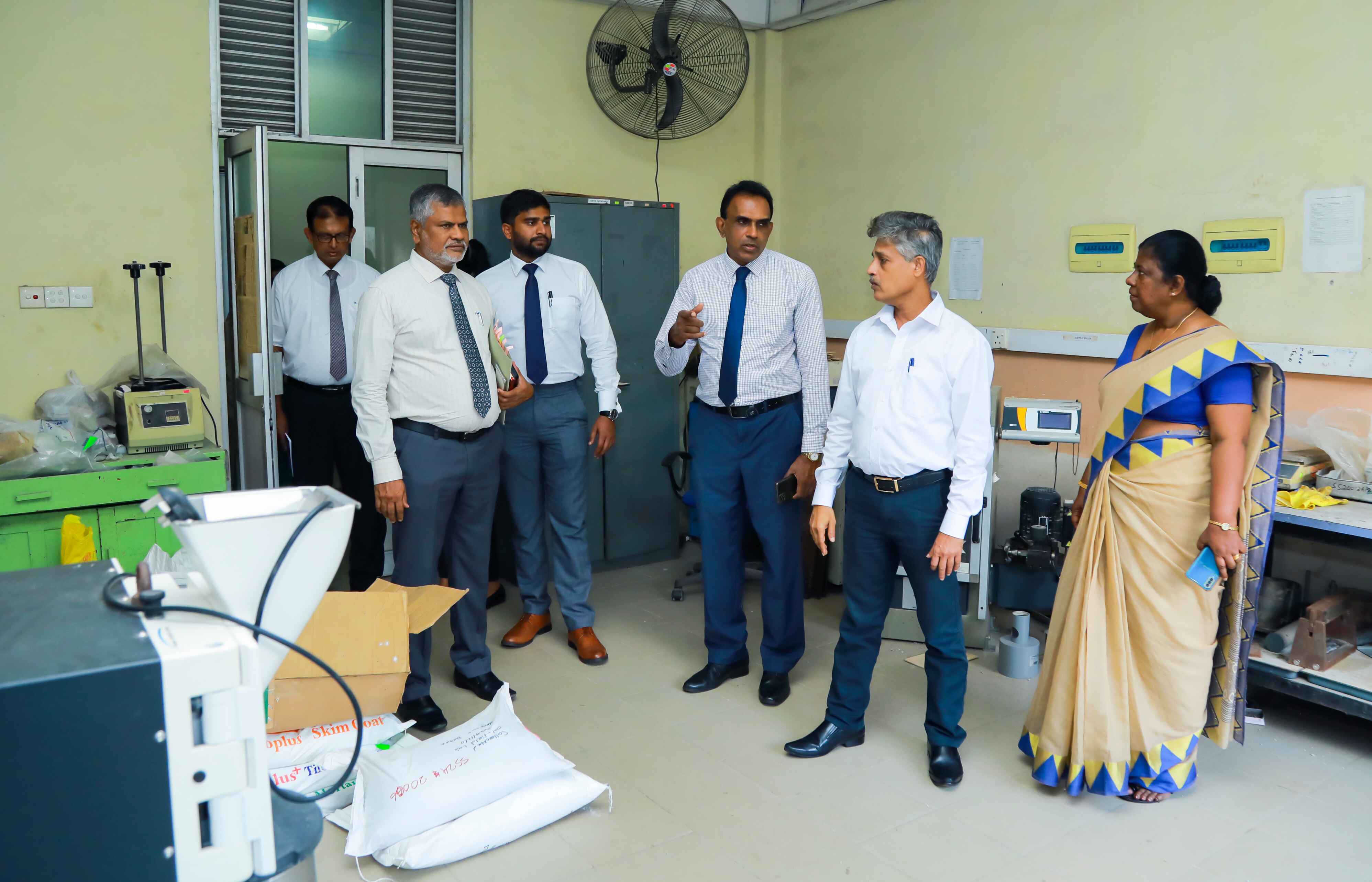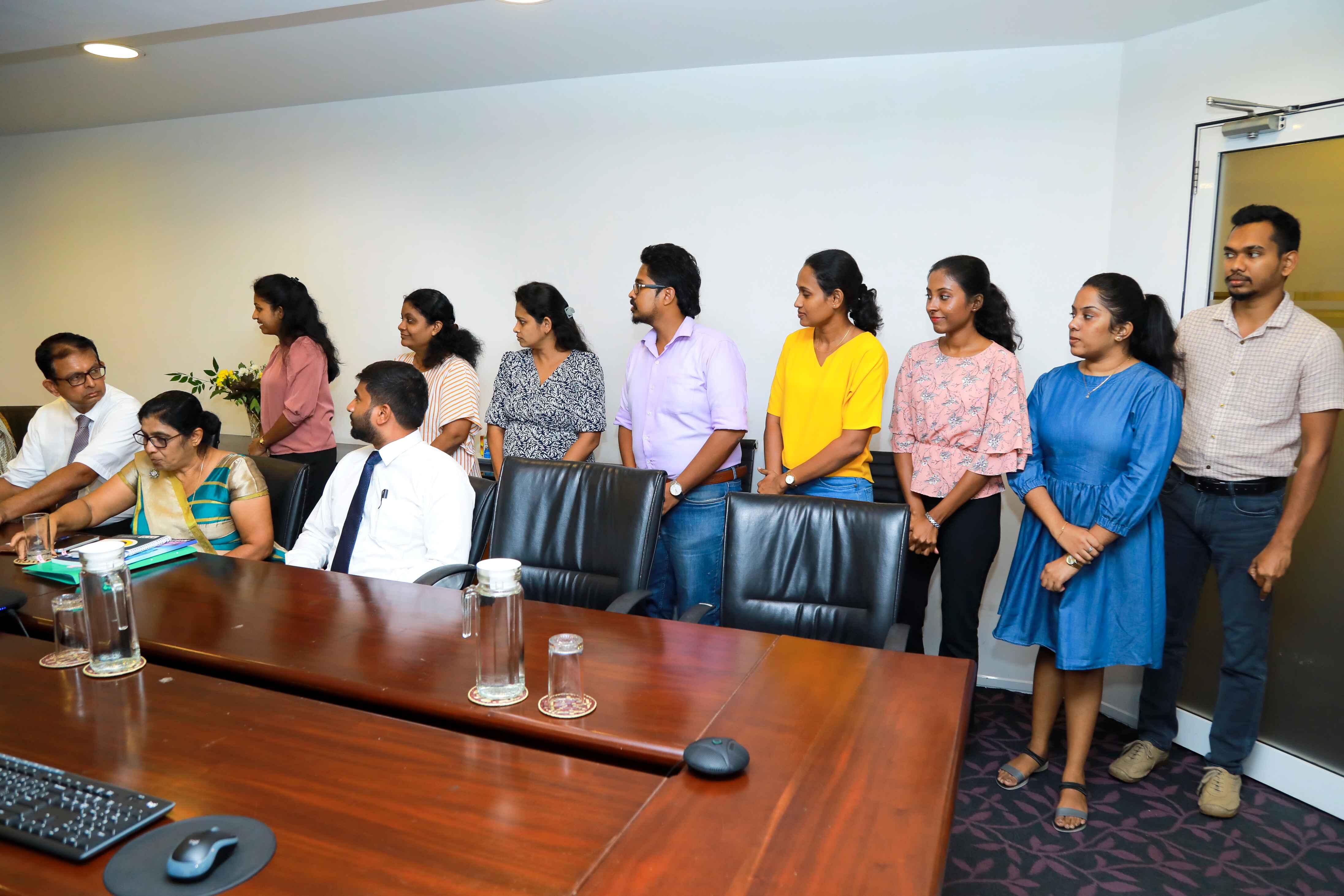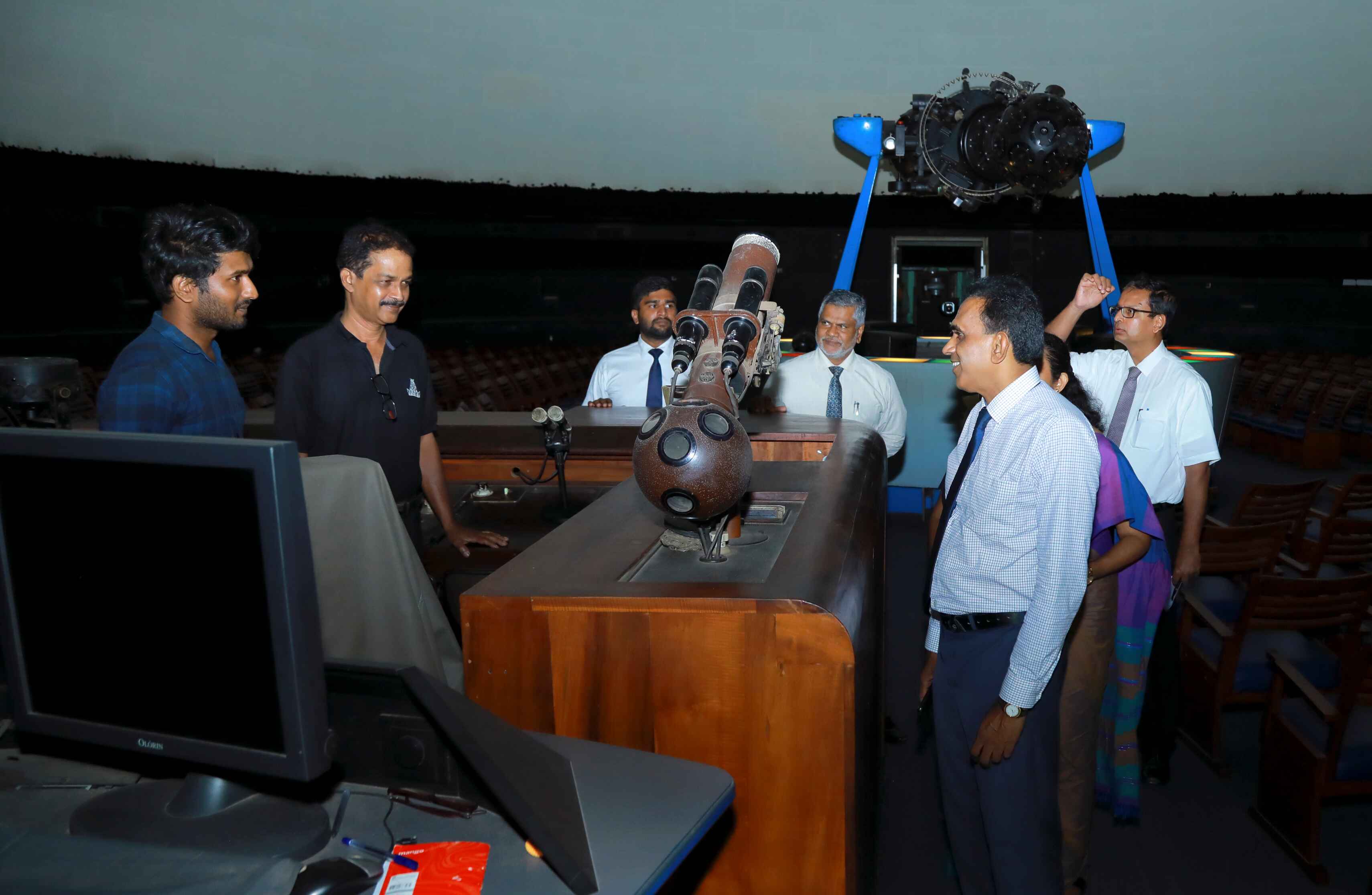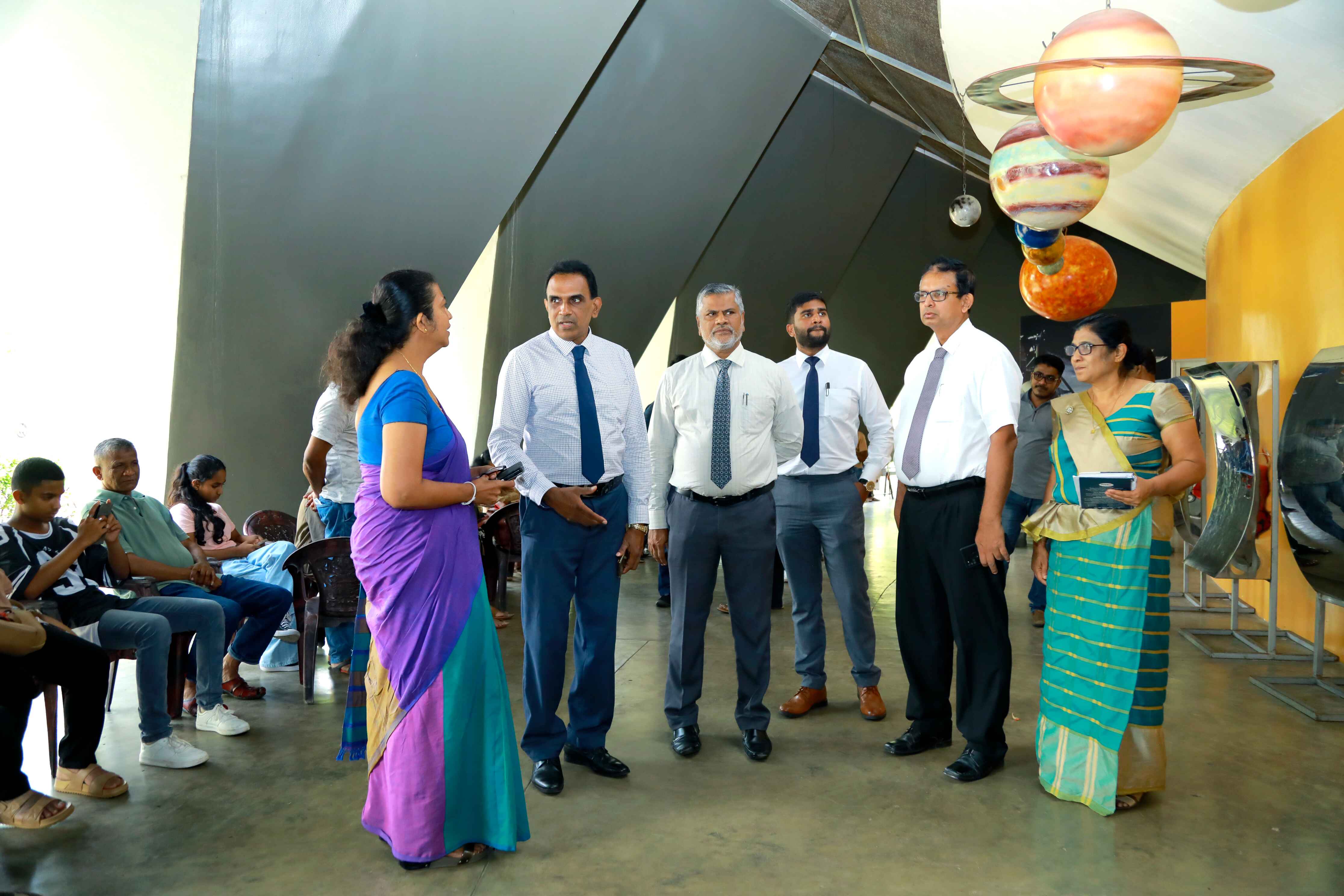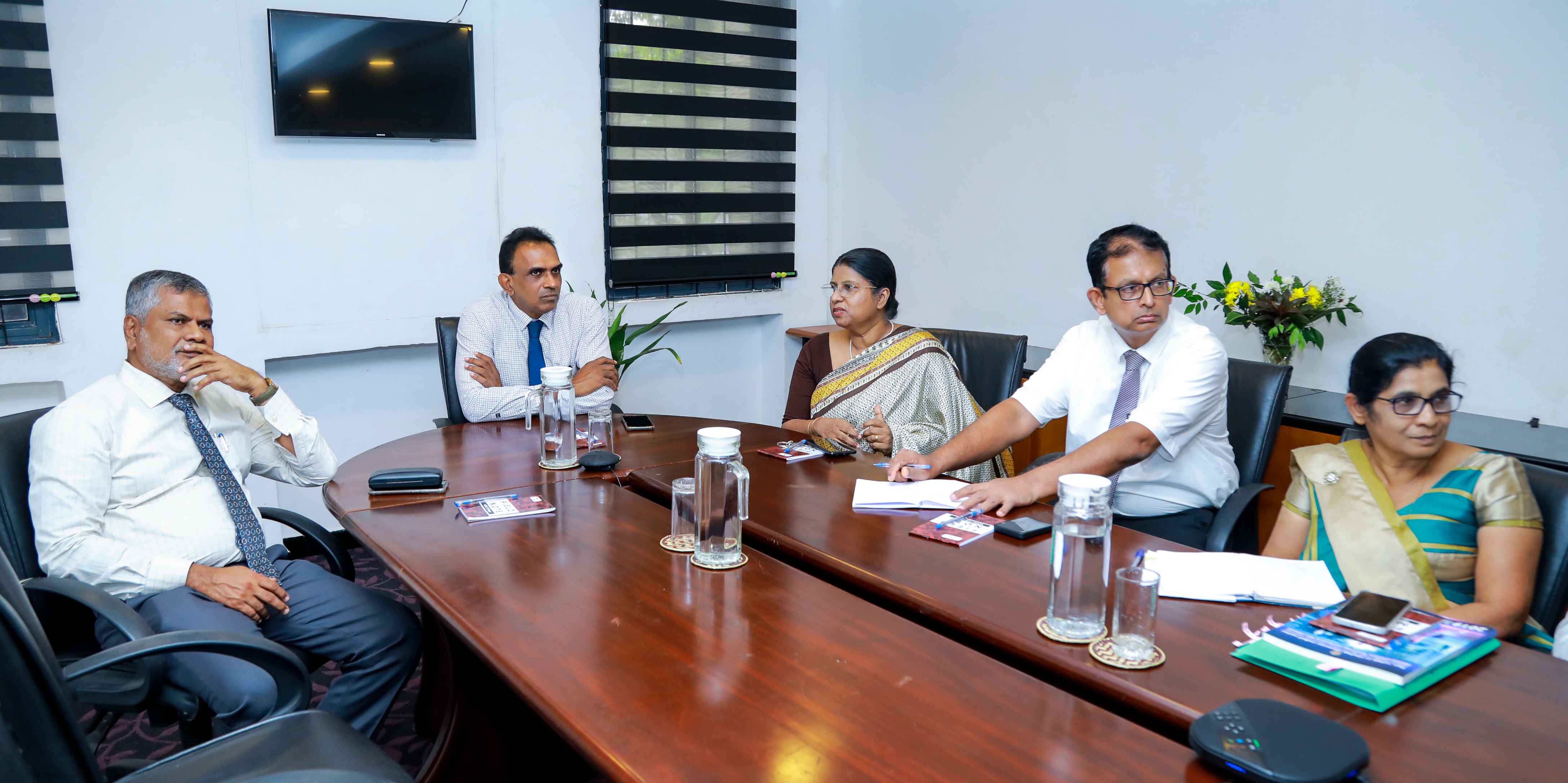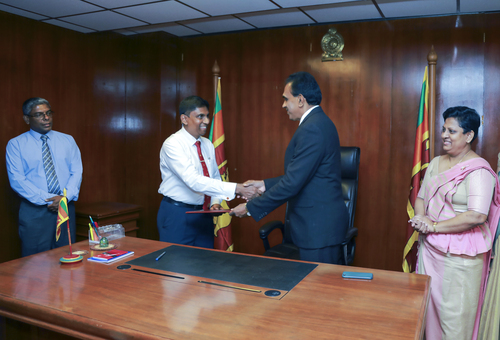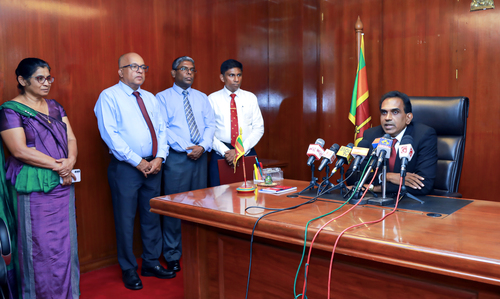
The inaugural ceremony to establish the "Citizen Science Cell" was held on 17th March 2026 under the patronage of the Minister of Science and Technology, Professor Krishantha Abeysena. This initiative aims to promote the concept of Citizen Science in Sri Lanka, supported by the Centre for Sustainable Development Reform at the University of New South Wales (UNSW), Australia.
A Milestone for Innovation and Sustainability
Marking a significant milestone in strengthening the relationship between science and society, the Citizen Science Cell is designed to:
-
Ignite public interest and curiosity toward scientific exploration.
-
Foster a sense of collective responsibility for innovation and sustainable development.
-
Utilize the existing VIDATHA Resource Centre network as the primary platform for implementation.
From Grassroots Data to National Impact
In a biodiversity-rich country like Sri Lanka, the establishment of this unit is a vital step in enhancing scientific data collection capabilities from the village level to the national level. Public participation will be harnessed to collect and analyze data in several critical areas:
-
Environmental conservation and biodiversity monitoring.
-
Water and air quality testing.
-
Monitoring Climate Change patterns.
Integration with "Clean Sri Lanka"
In alignment with the "Clean Sri Lanka" program, the Ministry is already using VIDATHA Resource Centres to gather data for technical solutions focused on minimizing plastic usage and mitigating disasters caused by climate change. The new Citizen Science Cell will integrate its data collection and scientific functions into this established framework.
Distinguished Attendees
The event was attended by a large gathering, including:
-
Mr. Mohamed Nawawi, Secretary to the Ministry of Science and Technology.
-
Dr. Randika Jayasinghe, an expert from the Centre for Sustainable Development Reform at UNSW (the program's financial sponsor).
-
Officials from the Ministries of Science & Technology, Environment, and Education.
-
University representatives providing technical support and VIDATHA officers.


Workshop on “Using Artificial Intelligence for Office Work” (06th March 2026) Successfully Conducted at the Ministry of Science and Technology
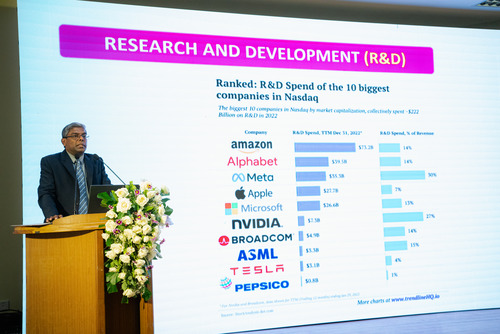
The Ministry of Science and Technology recently conducted a full-day capacity-building workshop titled “Using Artificial Intelligence for Office Work” for ministry staff. The programme was organized by the Administration Division and ICT Division of the Ministry of Science and Technology with the objective of enhancing digital productivity and introducing practical Artificial Intelligence (AI) tools that can support officers in their daily administrative and analytical tasks.
The workshop was originally planned for approximately 80 participants; however, due to the significant interest shown by ministry officers, more than 100 participants attended the programme, demonstrating the growing enthusiasm within the public sector to understand and adopt Artificial Intelligence technologies in office work.
The training programme covered several key areas related to Artificial Intelligence and its practical applications in government institutions. Topics included the history and evolution of Artificial Intelligence, understanding AI models and how AI systems function, prompt engineering techniques, configuration and effective use of AI tools, document summarization, translation, AI-assisted presentation preparation, voice-to-text technologies, image generation, and the use of NotebookLM for knowledge management and research support.
A key highlight of the workshop was the demonstration of how Artificial Intelligence tools can assist officers in analyzing and understanding complex technical documents. Officers frequently handle extensive reports, policy documents, and technical materials which can be challenging to review efficiently. Through the session, participants were introduced to practical techniques to use AI tools to simplify, summarize, and extract key insights from lengthy documents, thereby improving productivity and decision-making processes.
The workshop also included demonstrations on the use of NotebookLM, an AI-powered research and document analysis tool capable of transforming lengthy documents into structured summaries, presentation slides, and visual explanations, enabling officers to better comprehend technical information and manage knowledge more effectively.
The programme featured live demonstrations and interactive discussions, allowing participants to explore how Artificial Intelligence tools can be integrated into routine office work to enhance efficiency, accuracy, and information management.
The workshop was conducted by Eng. D.G.R. Thilina Panduka, and served as an important initiative to promote AI literacy and digital capability development within the Ministry.
This programme reflects the Ministry’s continued commitment to strengthening digital skills and encouraging the responsible adoption of emerging technologies in the public sector, contributing towards Sri Lanka’s broader vision of building a technology-driven and innovation-oriented government service.


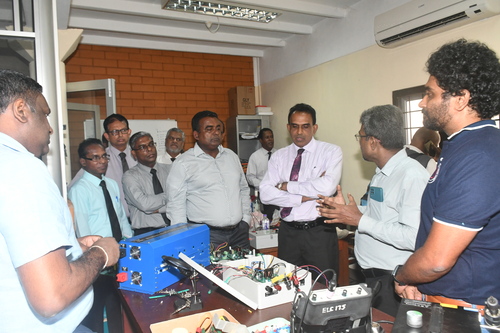
The "Harvest Centre"—a Service and Support Centre established by the Ministry of Science and Technology in collaboration with the Faculty of Agriculture, University of Ruhuna—was officially inaugurated today (12th). The ceremony was presided over by the Minister of Science and Technology, Professor Krishantha Abeyasena, at the Faculty of Agriculture premises.
The primary objective of this center is to foster and develop entrepreneurship, innovation, research commercialization, and startup growth specifically within the Southern Province.
Promoting Grassroots Technology: The Vidatha Program
As a flagship national initiative, the Ministry of Science and Technology operates the Vidatha Program to transfer technology to rural communities. This program aims to:
-
Support the growth of Small and Medium Enterprises (SMEs).
-
Create value-added products from local natural resources using scientific and innovative knowledge.
-
Establish a mechanism to promote entrepreneurship across Sri Lanka.
While Vidatha Centers currently operate at the Divisional Secretariat level, the establishment of Service and Support Centres within State Universities marks a significant expansion. Through this, the Ministry aims to strengthen innovation and empower entrepreneurs and startups.
Empowering the Southern Economy
The "Harvest Centre" at the University of Ruhuna is the second such center established by the Ministry. It is expected to inject new energy into the local economy by:
-
Assisting SMEs in Matara, Galle, and Hambantota districts to add value to their products based on scientific foundations.
-
Helping businesses meet national and international standards.
-
Providing the necessary edge to conquer both local and foreign markets.
Services Offered to Entrepreneurs
To drive development in the Southern region's agribusiness and food technology sectors, the center will provide:
-
Testing & Research: Access to university laboratories for quality testing and scientific reports.
-
Packaging: Guidance on modern packaging facilities suited for international markets.
-
Technical & Management Knowledge: Training required to run a successful business.
-
Consultancy: Expert guidance from university academics on commercializing new products, market entry, and technology transfer.
Distinguished Guests
The event was attended by a large gathering, including:
-
Arkham Ilyas, Deputy Minister of Energy.
-
Professor L.M. Abeywickrama and Ajantha Gammeddege, Members of Parliament for the Matara District.
-
Mohammed Nawwi, Secretary to the Ministry of Science and Technology.
-
Professor P.A. Jayantha, Vice-Chancellor of the University of Ruhuna.
-
Professor G.Y. Jayasinghe, Dean of the Faculty of Agriculture.
-
Government officials, academics, and industry stakeholders.